

1. Introduction
Zamfara State brought Nigeria’s gold potential into national and international focus. Niger State, on the other hand, has quietly remained one of the country’s most underexplored yet highly prospective gold regions. For modern prospectors, investors, and small-scale operators, the question is no longer whether gold exists in both states, but which gold belt offers better opportunities today.
Both Niger and Zamfara sit within Nigeria’s mineralized basement complex. Both host artisanal mining activity. Both have produced recoverable gold. Yet their geological character, operational environment, maturity level, and risk profiles differ significantly.
This article provides a practical, field-oriented comparison of Niger State vs Zamfara gold belts, helping prospectors understand where each state excels, where challenges exist, and how to choose the right terrain based on experience, tools, and objectives.
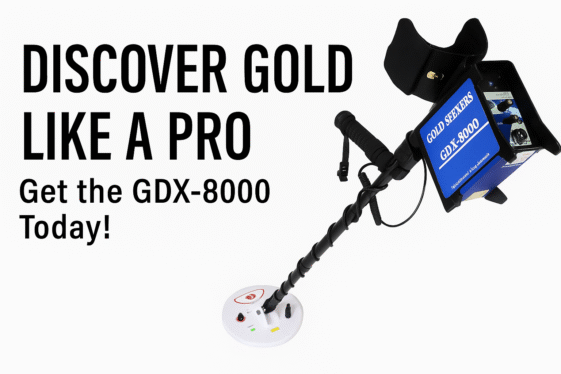
🟡 Thinking of exploring for gold in Nigeria? Whether you’re a miner, landowner, or investor, the GDX-8000 Gold Detector is the trusted tool transforming local gold discovery across Nigeria and West Africa.
Detect deeper, find faster, and uncover real opportunities beneath your land.
👉 Order your Original GDX-8000 NOW – exclusively from the Nigerian Mineral Exchange (NME), Nigeria’s leading mining marketplace.
💬 Chat directly with our support team on WhatsApp: +234 8130799304
2. Geological Overview: Niger vs Zamfara
Zamfara Gold Belt
Zamfara lies within the Anka–Maru Schist Belt, one of Nigeria’s most famous gold-hosting geological structures.
Key geological features:
- Strongly mineralized schist and metavolcanic rocks
- Abundant quartz vein systems
- High gold grades in localized zones
- Extensive surface expressions of mineralization
Zamfara’s geology is highly productive but structurally complex, meaning gold occurs in rich but often narrow zones.
Niger State Gold Terrain
Niger State covers a much larger landmass and hosts:
- Multiple schist belts
- Extensive basement complex rocks
- Long fault systems and shear zones
- Broad alluvial drainage networks
Gold in Niger State is more spatially distributed, occurring across Mariga, Shiroro, Gurara, Kontagora, and Rijau corridors.
Key distinction:
Zamfara is intensely mineralized in specific belts; Niger is widely mineralized across multiple zones.
3. Gold Occurrence & Deposit Types
Zamfara
- Dominantly primary gold in quartz veins
- Secondary alluvial gold in nearby streams
- Gold often occurs in higher grades but smaller zones
- Shallow artisanal pits common
Zamfara gold is frequently:
- Coarse
- Vein-controlled
- Structurally localized
Niger State
- Combination of primary and secondary gold
- Extensive alluvial and eluvial deposits
- Gold spread across wider areas
- Often smaller flakes but more continuous distribution
Niger State gold favors:
- Detector-based prospecting
- Systematic ground coverage
- Incremental discoveries
4. Accessibility & Terrain
Zamfara Terrain
- Concentrated mining areas
- Some rugged and rocky terrain
- Established artisanal mining routes
- Crowded gold zones in places like Anka and Maru
Access is often:
- Known
- Direct
- Competitive
Niger State Terrain
- Vast, open landscapes
- Mixed terrain: laterite, plains, river systems
- Many untouched or lightly explored zones
- Easier logistical movement between locations
For prospectors who prefer space, flexibility, and scouting freedom, Niger State often provides a better experience.
5. Security & Operational Environment
This is one of the most important differentiators.
Zamfara
- Long history of intensive artisanal mining
- Heightened security sensitivities in some areas
- Increased regulatory and enforcement attention
- Greater competition and territorial tension
While Zamfara remains productive, operations require careful planning, local intelligence, and restraint.
Niger State
- Generally calmer operational environment
- Fewer gold-related conflicts
- Larger zones with minimal crowding
- Easier community engagement in many areas
For newcomers and technology-driven prospectors, Niger State offers a more predictable operating environment.
6. Suitability for Small-Scale Prospectors
Zamfara:
Best suited for:
- Experienced prospectors
- Teams with strong local networks
- Operators targeting high-grade veins
- Those comfortable working in competitive zones
Challenges:
- Crowding
- Land access disputes
- Limited “new” ground
Niger State:
Best suited for:
- Beginners and intermediate prospectors
- Detector-based exploration
- Systematic reconnaissance
- Gradual scaling from small finds
Niger State rewards patience and method, rather than speed.
7. Tools & Technology Considerations
Zamfara Tool Needs:
- High-sensitivity detectors for quartz veins
- Strong ground handling for mineralization
- Precise scanning in tight zones
Niger State Tool Needs:
- Detectors adaptable to mixed terrain
- Stable performance across laterite, alluvium, and bedrock
- Ability to cover large areas efficiently
In both states, technology makes the difference—but Niger State offers more room for technology-driven exploration to outperform traditional methods.
8. Recommended Tool for Both Gold Belts
Why the GDX-8000 Works in Both States
The GDX-8000 Gold Detector is effective across both Niger and Zamfara because it balances:
- Sensitivity to gold-sized targets
- Stability in mineralized soils
- Ease of use in varied terrains
- Performance in both alluvial and vein-hosted settings
In Zamfara, it helps:
- Pinpoint quartz-associated gold
- Reduce false signals in mineralized zones
In Niger State, it excels at:
- Covering wide ground
- Detecting scattered gold occurrences
- Supporting reconnaissance-driven exploration
Whether you’re exploring Zamfara’s historic gold belts or Niger State’s emerging frontiers, success depends on the right tools.
👉 Explore the GDX-8000 Gold Detector on the Nigerian Mineral Exchange (NME) and prospect with confidence.
9. Which State Is Better for You?
There is no universal answer, only strategic alignment.
Choose Zamfara if you:
- Want historically proven, high-grade zones
- Have experience and strong local coordination
- Can manage tighter operational conditions
Choose Niger State if you:
- Want space and scalability
- Prefer detector-led exploration
- Are building experience gradually
- Value lower competition
Many successful prospectors eventually work both belts, starting with Niger State and advancing into Zamfara as skills and confidence grow.
10. FAQ
Is gold richer in Zamfara than Niger State?
Zamfara often has higher-grade zones, but Niger State offers wider distribution.
Is Niger State underexplored?
Yes. Large areas remain lightly explored compared to Zamfara.
Which is safer for beginners?
Niger State is generally more suitable for beginners.
Can the same detector work in both states?
Yes. A well-balanced gold detector like the GDX-8000 works in both.
Is large-scale mining possible in both states?
Yes, but Niger State offers more room for structured scaling.
Final Insight
Nigeria’s gold advantage is not just geology — it is how intelligently we explore it.
READ ALSO:
Nigeria Mining Investment Intelligence Report
Requirements for License to Purchase and Possess Minerals in Nigeria (2026)
17 Gold-Rich States in Nigeria: A Comprehensive Guide
The Ultimate Guide to Starting a Mining Company in Nigeria
10 Smart Ways to Find Gold on Your Land in Nigeria
Need a Mining License or Mineral Trade Permit in Nigeria? Here’s How We Can Help



Leave a Reply