

1. Introduction
If there is any state in Nigeria that proves beyond doubt that the country is sitting on untapped gold wealth, it is Osun State. This is not speculation, Osun holds the first and only commercial gold mine in Nigeria, the world-recognized Segilola Gold Project, sitting right within the legendary Ilesha–Iperindo Belt.
For decades, people assumed Nigeria’s gold belonged only to the northern schist belts—Zamfara, Kebbi, Kaduna, Niger. But Osun changed the narrative. It proved something powerful:
Gold in Nigeria is not a rumor. It is real, measurable, profitable; and still massively under-explored.
Today, artisanal miners, landowners, and investors are making new discoveries around Ilesha, Ifewara, Atakunmosa, Itagunmodi, and Ipetrodu—areas once overlooked, now regarded as one of West Africa’s most exciting gold corridors.
Every month, new reports emerge of fresh mineralization showing that Osun is not done revealing its gold. The big question is:
Who will benefit—those who act now, or those who wait?
This guide breaks down the geology, the hotspots, how to discover gold legally and safely, and the tools required to turn Osun’s hidden potential into real value, especially for:
- Miners and cooperatives
- Landowners
- Local exploration teams
- Investors and field scouts
- Youth seeking income outside academic degrees
Because in Osun today, the land beneath your feet may be worth more than the house on it.
2. Geological Overview of the Schist Belt
Osun lies along the Ilesha Schist Belt, part of Nigeria’s Precambrian greenstone belt system—the same type of geology hosting world-class gold deposits in:
- Ghana’s Ashanti Belt
- Mali’s Birimian formations
- South Africa’s Witwatersrand Basin
In technical terms:
- Rocks belong to metasedimentary and metavolcanic units
- Gold is structurally controlled along shear zones and quartz vein networks
- Mineralization is associated with:
- Silicified zones
- Sulphide concentrations
- Iron-stained contacts
- Folded and fractured rock systems
In simpler language:
Gold follows cracks, pressure zones, and ancient fault lines—NOT village boundaries.
This is why deposits found in Ilesha link geologically into parts of:
- Ekiti
- Ondo
- Oyo
Meaning: where Osun has gold, surrounding states likely do too—which makes exploration urgent and strategic.
And yet, less than 10% of this belt has been properly explored with modern tools. The ground is still a gold mystery waiting for discovery teams.
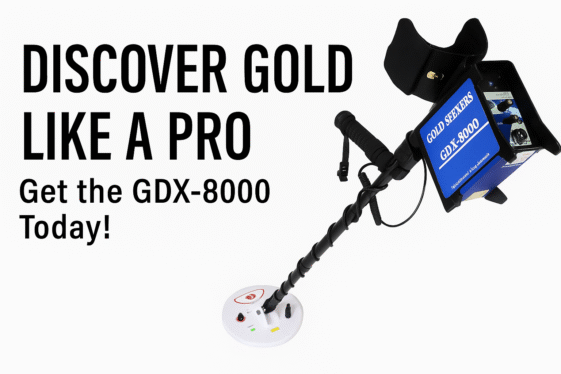
🟡 Thinking of exploring for gold in Nigeria? Whether you’re a miner, landowner, or investor, the GDX-8000 Gold Detector is the trusted tool transforming local gold discovery across Nigeria and West Africa.
Detect deeper, find faster, and uncover real opportunities beneath your land.
👉 Order your Original GDX-8000 NOW – exclusively from the Nigerian Mineral Exchange (NME), Nigeria’s leading mining marketplace.
💬 Chat directly with our support team on WhatsApp: +234 8130799304
3. Major Gold Hotspots in Osun
While gold exists beyond mapped zones, current known and emerging hotspots include:
✅ Ilesha–Iperindo Corridor
- Home of Segilola Mine
- High-grade quartz-vein gold
- Depth potential beyond artisanal reach
✅ Itagunmodi
Often called the “land of gold” locally
- Widespread artisanal activity
- Nugget-grade occurrences reported
✅ Ifewara Shear Zone
One of the longest shear systems in West Africa
- Linked geologically to Ghana’s Ashanti belt
- Major structural control for gold
✅ Atakunmosa East & West
- Iron-stained ridges
- Decomposed schists
- Surface and shallow opportunities
✅ Ipetrudu – Ilesa outskirts
- Recent interest by field teams
- Indicator minerals found in stream beds
Important note:
For every known hotspot in Osun, there are likely 10 unmapped zones still undiscovered.
This is why land verification is becoming a trend—families now test farmlands before selling or leasing.
4. Characteristics of the Ilesha–Iperindo Belt
What makes this belt exceptional?
1. High-grade, proven gold
Segilola’s resource confirmed:
- Consistent grades
- Commercial volume
- International investment confidence
This proves Osun gold is not speculative.
2. Strong structural controls
Gold occurs along:
- Fault lines
- Shear zones
- Fold structures
- Quartz lodes
Meaning detectors must read deep, mineralised, noisy ground.
3. Multiple deposit types
- Primary (hard-rock) — quartz veins
- Secondary (placer) — stream and slope deposits
This gives opportunities for:
- Surface prospecting
- Shallow trenching
- Hard-rock exploration
4. Expansion potential
The belt is still open:
- At depth
- Along strike
- Across lateral extensions
Or in simple terms:
Osun has only shown us the beginning of its gold story.
5. How to Discover Gold in Osun
Gold in Osun does not sit openly on the surface—you must understand what to look for.
✅ Look for geological indicators
- Quartz veins (white, milky, sometimes rusty)
- Iron-stained soils (reddish-brown)
- Gossan caps (rust-colored rock surfaces)
- Folded or fractured rocks
- Stream gravels with black sands
✅ Follow water systems
Gold travels downhill:
- Dry stream beds
- Seasonal waterways
- Valley floors
Prospectors call them “gold catchers.”
✅ Prioritize structural zones
Areas near:
- Fault lines
- Contacts between rock types
- Deformed ridges
These are gold highways.
✅ Use modern detectors
Osun is not a place for trial-and-error tools.
Because:
- Ground is highly mineralised
- Hot rocks can mislead cheap detectors
- Surface gold is patchy, not everywhere
Those using low-grade devices waste time.
Exploration teams in Osun now combine:
- GDX-8000 detection
- GPS mapping
- Soil sampling
- Trenching where needed
The result?
Discoveries that were impossible 10 years ago are now happening in hours.
6. Tools Needed for Accurate Exploration
To operate successfully in Osun, prospectors require tools that match geological reality.
✅ Essential field gear
- Heavy-duty gold detector (not hobby grade)
- Pickaxe and shovel
- Handheld GPS
- Rock hammer and sample bags
- Plastic gold pan (for secondary deposits)
- Personal safety gear
✅ Why cheap detectors fail
They struggle with:
- High iron content
- Conductive clays
- Deep-seated targets
- Noise from mineralised soils
Which is why miners say:
A bad detector will make a gold-rich land look empty.
✅ Best-suited technology
Osun requires:
- Pulse induction (PI) systems
- Deep penetration
- High sensitivity to small and large gold
- Mineralisation resistance
This leads us to the only detector designed for Nigerian terrain.
🟡 Thinking of exploring for gold in Nigeria? Whether you’re a miner, landowner, or investor, the GDX-8000 Gold Detector is the trusted tool transforming local gold discovery across Nigeria and West Africa.
Detect deeper, find faster, and uncover real opportunities beneath your land.
👉 Order your Original GDX-8000 NOW – exclusively from the Nigerian Mineral Exchange (NME), Nigeria’s leading mining marketplace.
💬 Chat directly with our support team on WhatsApp: +234 8130799304
7. Recommended Tool for Gold Prospectors
✅ The GDX-8000 — The Gold Standard for Osun’s Schist Belt
The GDX-8000 is now the most preferred detector among:
- Mining cooperatives
- Field exploration teams
- Land-verification scouts
- Serious prospectors
Because it delivers:
- Deep detection in hard-rock zones
- Stable performance in mineralised soil
- High sensitivity to both fine and nugget gold
- Reduced false signals from hot rocks
If you are prospecting in Ilesha, Itagunmodi, Ifewara, Atakunmosa, or any unmapped zone in Osun, this is the tool that gives real answers.
Before selling, leasing, or abandoning land, test it. Gold is being discovered daily.
8. Environmental Notes & Land Access
Responsible exploration is crucial.
✅ Land access
Before operating:
- Obtain consent from landowners
- Respect community leadership
- Avoid farmlands under cultivation
- Do not trespass or dig without government approval
✅ Environmental care
- Backfill holes
- Avoid water contamination
- Keep operations shallow unless licensed
- No chemical processing without permits
Osun has already faced environmental sensitivity; responsible mining protects future access.
While most investors are fighting over crowded concessions in Ilesha, smart capital is quietly moving toward the Ife North extension of the Osun Gold Belt. A rare opportunity has just opened up for a secure 50-hectare gold partnership in Ife North, backed directly by the community monarch. Unlike standard licenses that come with community friction, this site offers immediate Royal Consent and verified mineralization—artisanal miners are already hitting high-grade veins on the land. Click here to view the deal structure on the Nigerian Mineral Exchange. OR WhatsApp us Immediately (Serious Investors ONLY)
9. FAQ
Q1: Is gold really still being discovered in Osun?
Yes—new confirmations emerge regularly. Many areas have never been tested with modern detectors.
Q2: Can beginners find gold here?
Yes, especially using accurate tools like gold detectors, following streams, and targeting structural zones.
Q3: Is licensing required?
Yes, however surface-level prospecting for testing is different from mining. Always follow legal and community guidelines.
Q4: What type of gold is common?
Mostly hard-rock primary gold with secondary placer deposits of nuggets, especially in waterways.
Q5: How deep is gold in Osun?
Varies widely—surface in some spots, but deeper along the Iperindo structure, requiring PI-class detectors.
For those who want to go beyond Osun and understand how Nigeria’s gold story connects from Zamfara to Kebbi, Niger, Kaduna, and beyond, read our anchor resource: Nigerian Gold – State-by-State Guide — the definitive national reference every prospector, landowner, and investor should study before making their next move.
READ ALSO:
Recommended Listing: Secure your stake in the Osun Gold Belt. New Active Gold Site (Ife North) available for Partnership. Features: 50+ Hectares, High-Grade Mineralization, and Direct Royal Consent from the King. View Listing on NME.
SEE ALSO
17 Gold-Rich States in Nigeria: A Comprehensive Guide
The Ultimate Guide to Starting a Mining Company in Nigeria
10 Smart Ways to Find Gold on Your Land in Nigeria
Need a Mining License or Mineral Trade Permit in Nigeria? Here’s How We Can Help


Leave a Reply